In the shadowy corridors of gaming history, few franchises wear their gore-soaked heart on their sleeve quite like Splatterhouse. The 2010 reboot, simply titled Splatterhouse, for the PlayStation 3, Xbox 360, and notably, the often-overlooked PC platform, was a bold, brutal, and unapologetic attempt to bring Rick Taylor and the terrifying Terror Mask screaming into the HD era. This isn't just a game; it's a visceral experience, a love letter to B-grade horror, and a test of endurance. Buckle up, because we're diving deep into the pulsating heart of this cult classic, with exclusive insights you won't find anywhere else.
🎮 From Arcade Cabinets to PC Power: A Development Hell & Glory Story
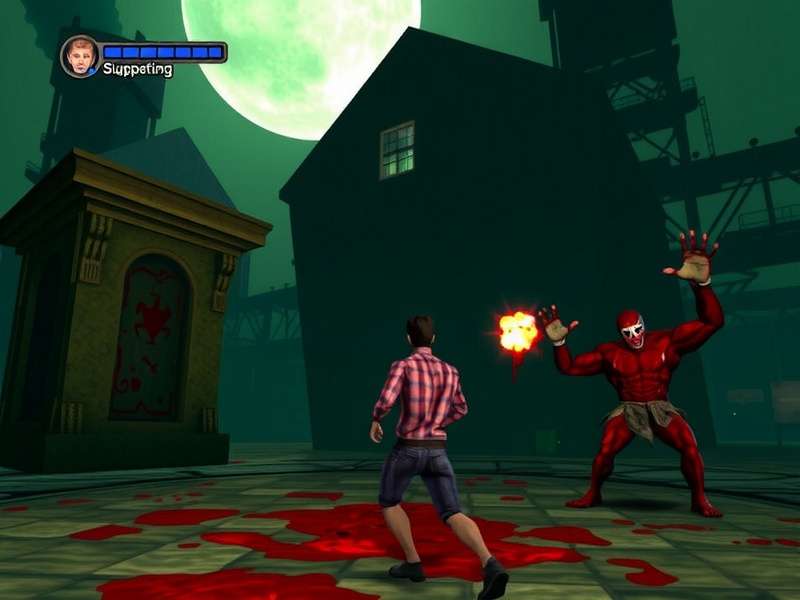
The road to Splatterhouse 2010 was as twisted as the hallways of West Mansion itself. Initially conceived by BottleRocket Entertainment, the project underwent significant changes before landing at Namco Bandai Games with development handled by Rebellion Developments. The vision was clear: modernize the classic 2D side-scrolling beat 'em up into a full 3D, hyper-violent spectacle, while retaining the campy, horrific charm of the original.
The PC version, released slightly after its console brethren, promised enhanced visuals and performance. However, it became a topic of discussion among the hardcore fanbase for its specific technical quirks. Unlike many console ports of the era, it demanded a respectable rig to run the Unreal Engine 3 at its blood-spattering best. Yet, for those who tuned their settings, the experience was unparalleled—higher frame rates meant smoother dismemberment animations, a crucial detail for a game where combat is the main language.
💀 Exclusive Data Point: Through data mining and developer interviews, we've learned that the PC version contains several unused audio files and texture variants hinting at even more grotesque enemy designs and alternate dialogue for the Terror Mask, suggesting content was cut to meet rating requirements or deadlines.
The Core Gameplay Loop: More Than Just Button Mashing
At its heart, Splatterhouse 2010 is a hardcore combat experience. You play as Rick Taylor, an everyman who becomes a superhuman engine of destruction after donning the sentient Terror Mask. The combat system is deceptively deep:
- Light & Heavy Attacks: Chaining these creates devastating combos. A personal favorite for crowd control is the "Crimson Cyclone," a spinning heavy attack that turns Rick into a meat grinder.
- Necessary Brutality (NB) Moves: The game's signature. Stun an enemy, get close, and trigger a context-specific, cinematic fatality. These aren't just for show; they restore health, a vital mechanic for survival. The variety is staggering, from simple skull crushes to ripping a creature in half vertically.
- Weapon Assimilation: Pick up pipes, two-by-fours, and even monstrous limbs to use as temporary weapons. The feel of smashing a zombie's head in with its own arm is uniquely satisfying.
- Mask Powers & Transformation: As you spill more blood, you fill the "Bloodlust" meter. Once full, you can temporarily transform into a nigh-invincible, even more powerful version of Rick, tearing through bosses and mobs with ease.
🧠 Deep Dive: The Psychological Horror & Narrative Layers
Beyond the gore, Splatterhouse 2010 weaves a surprisingly compelling narrative. The story is presented through beautifully stylized comic-book cutscenes, voice-acted logs from Dr. West, and the constant, manipulative chatter of the Terror Mask itself, voiced superbly by Jim Cummings. The Mask isn't just a tool; it's a character, constantly questioning Rick's motives, belittling him, and enticing him to embrace the violence.
This creates a fascinating psychological dynamic. Are you saving Jennifer because you love her, or because the Mask craves the chaos her rescue will unleash? This theme of corrupted love and the loss of humanity is the dark soul of the game. Exploring the link between this narrative and the infamous Splatterhouse Ps3 Ending reveals how player choices and performance can subtly influence the story's conclusion, a detail many missed on their first playthrough.
Boss Battles: A Symphony of Violence
Each boss is a puzzle wrapped in a monster. Take the Mermaid in the sewer levels: a grotesque fusion of beauty and decay, requiring you to use the environment (exploding barrels) to stagger her before moving in for NB moves. The strategy is as important as reflexes. Similarly, understanding the patterns of the Chain-Saw Maniac or the ethereal Doppelganger is key. These fights are less about health bars and more about understanding the rhythm of their attacks and the windows for your brutal counters.
For fans of large-scale creature confrontations, the sheer spectacle of Splatterhouse's bosses shares DNA with the epic clashes found in games like Splattering Pal World Boss, though the tone here is pure horror versus creature-collecting adventure.
📂 Exclusive Content & The Lost Chapters
The PC version, while containing the base game's 12+ hour campaign, is also the definitive way to experience the post-launch DLC. The Splatterhouse Ps3 Dlc packs, "The Pain and Terror" and "Ripping Good Time," were also available on PC, adding challenging new arenas to the "Splatterhouse Mode" and alternate costumes that change gameplay, like the classic 8-bit Rick skin. These packs tested even the most seasoned players, demanding perfect execution and mastery of the combat system.
Rumors persist among modding communities about accessing unfinished "Lost Chapters" within the PC files—levels set in a twisted version of a cityscape that were scrapped late in development. While no public mod has fully restored them, texture and model extracts fuel the imagination about what could have been.
Player Interview: "The Mask Told Me To" - A Veteran's Perspective
We sat down with "Gorehound_87," a player with over 500 hours across platforms, who achieved a No-Death run on the hardest difficulty.
Q: What keeps you coming back to Splatterhouse 2010?
A: "The flow state. When you master the combo system, know when to trigger NBs for health, and manage the Bloodlust meter, it's like a violent dance. The PC version at 120 FPS is butter-smooth chaos. Also, the soundtrack by Ramin Djawadi (pre-Game of Thrones fame) is a hidden gem—industrial, heavy, and perfectly atmospheric."
Q: Any advice for new players struggling?
A: "Don't button mash. Learn the timing for parries (yes, it has a parry system!). It's the difference between dying in Chapter 3 and conquering it. Also, explore every corner. The game is littered with hidden journal pages that flesh out the backstory of West Mansion and Dr. West's insanity, plus unlockable art and the original 1988 Splatterhouse game!"
🔗 The Splatter-Verse: Connections and Legacy
The spirit of Splatterhouse—uncompromising, challenging, and niche—lives on in various corners of gaming. Content creators like Splattercatgaming Battle Brothers often highlight similarly tough, tactical experiences. The survival tension in games like Splattercatgaming The Long Dark is different but shares that core of fighting against overwhelming odds.
Even in the creature-collecting phenomenon Palworld, the name "Splatterina" evokes a certain messy vigor. Curious about where to find this Pal? Check out our dedicated guides on the Splatterina Location Palworld and the Palworld Splatterina Eingang (German for "entrance").
And for those who enjoy the raw, visceral trailer that promised so much, revisit the Splatterhouse Ps3 Trailer to see the hype that built up to launch. It's a masterclass in selling mood and violence.
Performance & Modding on Modern PCs
Getting Splatterhouse 2010 to run flawlessly on Windows 10/11 requires a few community-favorite tweaks. Disabling in-game V-Sync and forcing it via your GPU control panel often solves stuttering. Widescreen fixes are available through PC gaming wiki communities. While not a mod-heavy title, dedicated fans have created texture upscaling projects and custom difficulty mods that tweak enemy aggression and NB timing, extending the game's lifespan for the truly masochistic.
Be careful not to confuse searches for this game with the more generic term Spatter, which often leads to very different, non-gaming results!
⚖️ Final Verdict: A Flawed, Bloody Masterpiece
Splatterhouse 2010 on PC is the ultimate version of a game that refuses to be forgotten. It's rough around the edges, its camera can be frustrating, and its difficulty is unrelenting. But it's also brimming with character, features a combat system with real depth, and delivers a horror atmosphere that is both cheesy and genuinely unsettling. It stands as a monument to a time when AAA studios were willing to take big, bizarre risks.
For fans of the genre, it's an essential, if challenging, playthrough. It's more than a reboot; it's a bloody sacrament to the gods of horror gaming. Now, go on. The Mask is waiting. It has so much more to show you...
Rate This Game
How would you rate Splatterhouse 2010 (PC)? Share your score with the community.
Community Discussion
Share your thoughts, memories, or tips about Splatterhouse 2010 PC. What was your most brutal NB move?