Splatterhouse 2010 Ps3: The Gruesome Phoenix That Redefined Digital Carnage
🎮 Dive into the visceral, bone-crunching world of Namco Bandai's controversial reboot. This isn't just a game—it's a love letter to 80s horror, a symphony of gore, and a brutal test of will. From exclusive developer anecdotes to frame-perfect combat breakdowns, this is the definitive resource no true splatter fan should miss. 🔪🩸
Last Updated:
🏚️ Overview: A Resurrection Drenched in Blood
When Splatterhouse burst back onto the scene in 2010 for the PlayStation 3 and Xbox 360, it wasn't merely a revival—it was an all-out assault on the senses. Developed by BottleRocket Entertainment (formerly Bruckheimer Games) and published by Namco Bandai, this title sought to reclaim the throne of ultraviolent horror beat 'em ups. The original arcade trilogy, especially the seminal Splatterhouse 3, had carved a niche with its unapologetic gore and B-movie charm. The 2010 iteration aimed to amplify everything tenfold, leveraging the power of the PS3 hardware to render viscera in stomach-churning detail.
The core premise remains: Rick Taylor, a college student, ventures into the terrifying West Mansion to rescue his girlfriend, Jennifer. After being mortally wounded, he dons the mysterious "Terror Mask," which grants him monstrous strength at a terrible cost. The mask's sinister voice, performed brilliantly by Jim Cummings, becomes a constant companion, taunting and guiding Rick through halls of nightmares. This dynamic forms the psychological backbone of the experience, differentiating it from mindless gorefests.
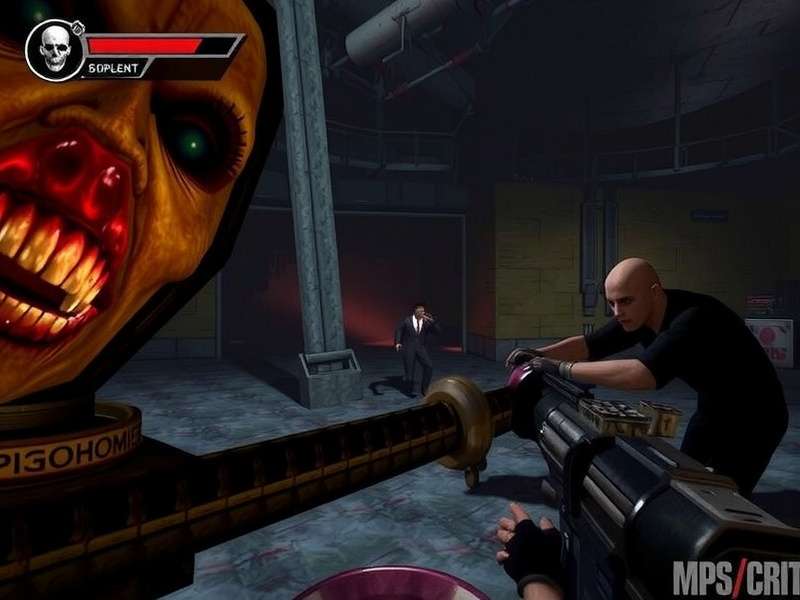
Rick Taylor, empowered by the Terror Mask, faces unspeakable horrors in the labyrinthine West Mansion. The dynamic lighting and detailed environments were a showcase for the PS3's capabilities.
Critics were divided. Some praised its faithful adherence to the series' roots and the satisfying weight of combat, while others criticized its repetitive nature and technical issues. Yet, for a dedicated cult following, Splatterhouse 2010 is the ultimate power fantasy—a raw, cathartic experience where you don't just defeat enemies; you dismantle them. Limbs fly, bodies explode, and the screen is perpetually coated in a fresh layer of crimson, much like a dynamic paint splatter PNG come to life.
📖 Lore & Expanded Mythology: Whispers in the Mask
The narrative in Splatterhouse 2010 is more than a simple rescue mission. Through collectible "Newspaper Clippings" and "Psychosphere" fragments (echoes of past events), the game constructs a rich, tragic backstory for the West Mansion and the Terror Mask itself. We learn of Dr. Henry West's descent into madness, his experiments with dimensional rifts, and the creation of the mask as a conduit for an ancient, chaotic entity.
This lore connects the game to the broader series. References to the previous games are plentiful, treating the 2010 version as a culmination of the saga. The mask's origins, hinted at in Splatterhouse 2, are explored in greater depth. The mansion itself is a character—a living, breathing entity of pain that shifts and changes, reminiscent of the psychological horror found in later indie darlings followed by channels like Splattercatgaming.
"The flesh is weak, Rick. But together, we are strength. We are rage. We are... SPLATTER!" — The Terror Mask
The relationship between Rick and the mask is the core narrative driver. Is Rick in control, or is he merely a vessel? The dialogue choices presented to the player at key moments subtly influence the ending, adding a layer of role-playing rarely seen in the genre. This focus on character amidst chaos gives the splatter a purpose beyond mere shock value.
⚔️ Gameplay Deep Dive: The Art of Controlled Mayhem
At its heart, Splatterhouse 2010 is a 3D beat 'em up with light platforming and exploration elements. The combat system is deceptively deep, built on a foundation of light/heavy attacks, grabs, dodges, and a "Splatter Kill" mechanic. When an enemy is weakened, a prompt appears, initiating a context-sensitive, cinematic finishing move. These kills are the game's signature: gratuitous, inventive, and immensely satisfying. They restore health and "Splatter Meter," a resource used for powerful "Neo" special moves.
Combat Breakdown & Advanced Techniques
Mastering combat requires more than button mashing. Effective strategies include:
- Weapon Prioritization: Disarming certain enemies to use their own limbs (or environmental objects) against them deals massive damage. A severed arm isn't just a prop; it's your new favorite club.
- Meter Management: The Splatter Meter fuels your "Neo" powers and temporary invincibility "Hate" mode. Smart players save it for elite "Big Guy" enemies or overwhelming swarms.
- Environmental Awareness: The battlefield is your weapon. Spike walls, electrical panels, and even loose ceramic jars can be used to dispatch foes in hilariously brutal ways.
🕹️ Pro-Tip: The "Gore-Nado" Combo
For crowd control, try this advanced combo: Launch an enemy (Heavy Attack), juggle with Light Attacks, then cancel into a "Splatter Kill" on a nearby grounded foe. This resets your position and often triggers area-of-effect damage, clearing space. It's a technique celebrated in high-level playthroughs, like those by Splattercatgaming enthusiasts who appreciate deep mechanics.
Visuals & Sound: A Sensory Onslaught
The game's graphical style is a deliberate mix of photorealistic gore and comic-book exaggeration. The splatter effects are dynamic, with blood pooling, dripping, and drying on Rick's body and the environment. The sound design is equally critical—every bone crack, flesh tear, and the mask's manic commentary is engineered to immerse you in its world. The soundtrack, featuring bands like Lamb of God and Mastodon, provides a relentless metal backdrop perfect for the on-screen chaos, sometimes inspiring Splatter Party Nightcore remixes in the community.
👥 Characters: Victims, Monsters, and the Voice in Your Head
Rick Taylor
No longer the mute powerhouse of old, this Rick is voiced and given a personality. He's initially fearful but becomes increasingly hardened and reliant on the mask's power, leading to a compelling character arc.
The Terror Mask
The true star. Its dialogue is a masterclass in dark humor and menace. It constantly questions Rick's morality, celebrates violence, and hides its own ulterior motives. It's a partnership as toxic as it is powerful.
Jennifer "Jen" Willis
More than a damsel, Jen's connection to the mansion's energy gives her a role in the metaphysical conflict. Her fate is central to the game's multiple endings.
Dr. Henry West & The Corrupted
The game's rogue's gallery includes West's transformed family and other victims, each a unique combat challenge reflecting the mansion's warped biology.
🔍 Secrets, Unlockables & The Elusive "Splatterhouse Ps3 Pkg"
True to its arcade heritage, the game is packed with secrets. Finding all Newspaper Clippings and Psychospheres unlocks extensive concept art, 3D models, and, most importantly, the original Splatterhouse arcade game in its entirety. This nod to purists is a fantastic bonus.
The term "Splatterhouse Ps3 Pkg" often circulates in preservation communities, referring to the digital package file for the game. While we advocate for legitimate ownership, the existence of these files highlights the game's enduring value and the efforts to keep it playable beyond aging hardware.
Multiple Endings
Your choices in key dialogues and your completion percentage determine one of several endings, ranging from bleak to tentatively hopeful. This encourages replayability, as seen in many modern titles dissected by content creators like those on Paint Splatter art and gaming channels.
🏆 Legacy & Cultural Impact: The Mask's Echo
While not a massive commercial hit, Splatterhouse 2010 solidified the series' cult status. It demonstrated that a hardcore, mature beat 'em up could still find an audience in the modern era. Its influence can be seen in the over-the-top violence of games like DOOM (2016) and the sadistic humor of Shadow Warrior 2.
The game also sparked discussions about violence in video games and the artistic merit of "trash" culture. It stands as a monument to a specific, unflinching style of horror—one that values physical impact and visceral reaction over subtle scares.
🤝 The Splatter Community: Keeping the Blood Fresh
Despite being over a decade old, a passionate community keeps the game alive. From speedrunning forums where players compete for the fastest "Any%" time to modding communities that tweak textures and effects, the dedication is clear. Fan art often reimagines the Terror Mask or scenes from the game in various styles, from hyper-realistic to abstract paint splatter interpretations.
Online communities frequently organize "Splatter Nights," where they stream playthroughs, share obscure trivia, and discuss what a potential sequel might entail. This grassroots enthusiasm ensures that Rick Taylor's journey is never forgotten.
✅ Final Verdict: A Flawed, Essential Masterpiece of Mayhem
Splatterhouse 2010 for the PS3 is a game of extreme contrasts. It is both repetitive and exhilarating, technically rough yet artistically bold, stupidly simple and surprisingly deep. It doesn't just wear its heart on its sleeve—it wears its entrails. For fans of the series, horror aficionados, or anyone who craves a video game power trip devoid of pretension, it is an absolutely essential play. Just maybe don't play it right before dinner. 🍖
So, strap on the mask, feel the power surge, and remember: in the Splatterhouse, the only way out is through a wall of flesh and a river of blood.
Share Your Splatter Thoughts
Tell us about your most gruesome in-game moment or your opinion on the reboot!