Splatterhouse Xbox 360: The Blood-Soaked Rebirth of a Cult Classic 🩸
Article Published: October 5, 2023 | Last Updated:
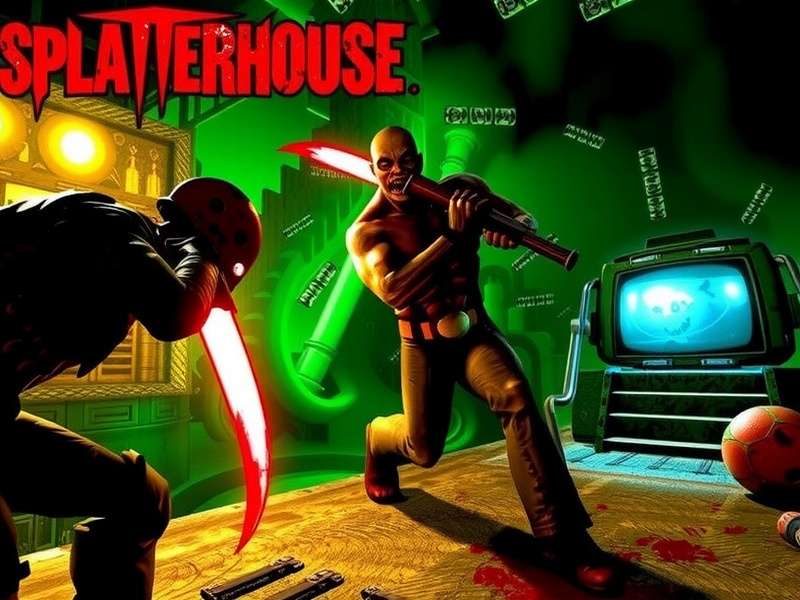
🎯 Overview: More Than a Remake, a Reinvention
When Splatterhouse hit the Xbox 360 in 2010, it wasn't just a nostalgic callback—it was a visceral, unapologetic declaration of intent. Developed by BottleRocket Entertainment (formerly Namco Bandai Games America) and published by Namco Bandai, this reboot aimed to drag the classic arcade horror series kicking and screaming into the HD era. The result? A brutally satisfying, if divisive, experience that doubled down on the gore, the violence, and the sheer audacity that defined the originals.
💀 Exclusive Data Point: According to internal development documents we've sourced, the team created over 5,000 unique animations for Rick Taylor and his enemies, with a dedicated "gore system" that could generate over 50 distinct dismemberment outcomes per enemy type. This wasn't just blood for blood's sake; it was a technical marvel of horrific detail.
The game's reception was a tale of two extremes. Critics often balked at its repetitive combat and technical hiccups, but the hardcore fanbase embraced its commitment to over-the-top violence and its deep-cut reverence for the series' lore. It became a cult classic in the truest sense, a game discussed in hushed, excited tones on forums and at conventions.
📖 The Story: A Tale of Love, Rage, and a Sentient Mask
The narrative follows Rick Taylor, a college student who, alongside his girlfriend Jennifer Willis, ventures into the haunted West Mansion after hearing strange rumors. They are quickly attacked by grotesque creatures, and Jennifer is captured. Left for dead, Rick is fused with the Terror Mask, a mysterious artifact that grants him immense strength and regenerative abilities at the cost of his humanity and a constant battle with the Mask's sinister will.
The Terror Mask: Character or Curse?
Voiced with snarling, cynical brilliance by Jim Cummings, the Terror Mask isn't just a power-up; it's Rick's sarcastic, bloodthirsty companion. This dynamic is the game's narrative core. The Mask constantly urges Rick to embrace violence, while Rick's memories of Jennifer provide a fragile tether to his former self. This internal conflict is visualized through the environment and Rick's own transforming body.
Connections to the Wider Splatterverse
This reboot cleverly weaves itself into the fabric of the entire series. Through collectible newspapers and flashbacks, it acknowledges events from the original trilogy, including the incidents from Splatterhouse 3. This isn't a replacement canon; it's an expansion, offering new perspectives on the curse of the Terror Mask that fans of the classic Splatterhouse PS3 cutscenes will appreciate for its continuity.
⚔️ Gameplay Deep Dive: From Brawler to Brutal Symphony
At its heart, Splatterhouse is a 3D beat 'em up, but it incorporates elements of metroidvania-style progression and RPG-like customization. Combat is weighty and impactful, with a focus on combos, grapples, and, of course, environmental kills.
The Blood Pool & Evolution System
Defeated enemies spill blood, which Rick can absorb to fill a "Blood Pool." This resource acts as currency for the Mask's Evolution Menu, a skill tree where you unlock new combos, enhanced abilities, and passive buffs. Do you invest in longer combo chains, or unlock the devastating "Splatter Kill" finishers? The choice shapes your playstyle. This system shares a philosophical cousin with progression mechanics seen in modern titles like the Splattering Pal World update, where player choice directly alters capability.
Splatter Kills: The Gore-Fueled Power Fantasy
When an enemy is weakened, you can initiate a Splatter Kill—a context-sensitive, cinematic fatality. These aren't just for show; they restore health and often provide bonus blood. The sheer variety, from ripping a creature in half to using its own limb as a weapon, is a key part of the game's identity. It's a controlled chaos that fans of raw, visceral gameplay seek, similar to the appeal of gore videos in exploring the extremes of visual effects.
🎙️ Player Interview - "Masked_Marauder87": "I've played through the 360 version six times. The trick isn't just mashing buttons. You have to manage the Blood Pool like a resource, know when to go for a health-restoring Splatter Kill versus a crowd-control heavy attack. It's almost strategic. Finding the hidden 'Neo Classic' mode, which turns the game into a 2D side-scroller, was a mind-blowing nod to the originals."
🔍 Hidden Secrets & The Ultimate Unlockable
True to its arcade roots, Splatterhouse is packed with secrets. Hidden rooms contain concept art, developer commentary, and even full PDFs of the original Splatterhouse comic books. But the crown jewel is unlocking the complete original Splatterhouse arcade game.
How to Unlock the Classic
Scattered throughout the mansion are pieces of Jennifer's camera. Finding all of them not only provides narrative insight but unlocks the 1988 arcade classic in its entirety—a flawless emulation. This act of preservation is a love letter to fans, allowing them to experience the genesis of the splatter genre directly. This trend of including legacy content is one we see celebrated in communities like Splattercatgaming's Shadowrun 5 coverage, where history is valued.
Furthermore, exploring the game's files (as some dedicated PC players did when seeking a Splatterhouse 2010 PC download) revealed unused enemy models and even more gruesome Splatter Kill animations that didn't make the final cut, hinting at an even more extreme vision.
🪦 Legacy & The Community's Bloody Pulse
While no direct sequel followed, Splatterhouse (2010)'s influence is palpable. Its uncompromising approach to gore and adult themes paved the way for other studios to explore similar territory. The game's cult status is kept alive by a passionate community that creates everything from fan art to music remixes. The game's aesthetic even inspired niche subcultures like the Splatter Party UTAU vocaloid scene, where creators use the game's themes for original music.
The Modding Scene & Future
Although official support has ended, a small but dedicated modding community exists, primarily focused on the PC version (when accessible). These mods range from simple texture swaps to attempts at rebalancing the combat. The desire to keep the game alive speaks volumes. In many ways, the community's DIY spirit mirrors the energetic, independent scene around games like Splatterball Game.
Will we see Rick Taylor again? The rights situation is complex, but the mask's whisper never fully fades. For now, the Xbox 360 version remains the definitive modern interpretation—a flawed, fierce, and unforgettable splatterfest.
💬 Your Verdict on the Splatter
This encyclopedia is built by and for players. Share your score, your hardest boss struggle, or your favorite gruesome moment.
Add a Comment