Splatterhouse Arcade: Inside the Gore-Soaked Genesis of a Horror Icon 🩸
Last Updated:
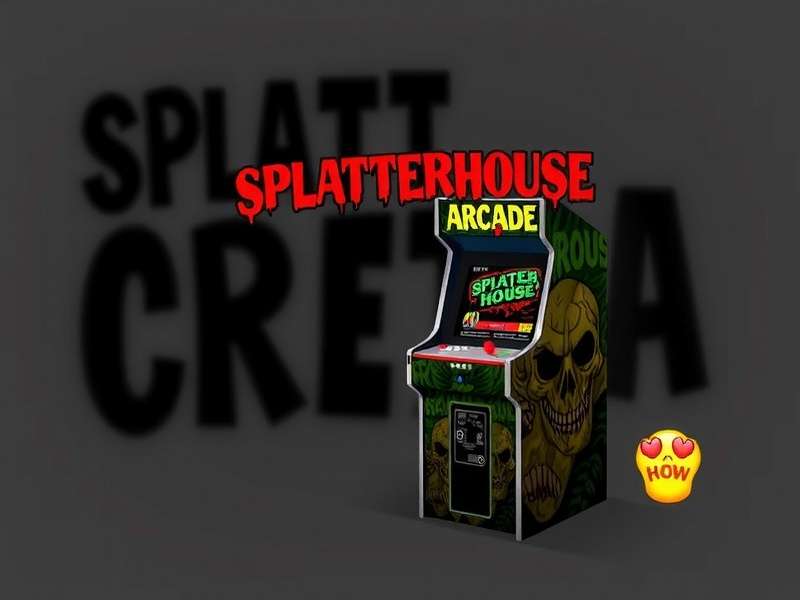
For hardcore gamers of the late 80s and early 90s, the arcade was a temple of light and sound. Amidst the cacophony of Street Fighter II combos and Pac-Man chomps, one cabinet stood apart—darker, heavier, and literally dripping with menace. The Splatterhouse Arcade machine, released by Namco in 1991, wasn't just a game; it was an experience. A visceral, side-scrolling beat 'em up that plunged players into a B-movie horror fantasy, it became the definitive gore-fuelled experience that pushed the boundaries of what was acceptable in public gaming spaces.
From Concept to Carnage: The Birth of a Cult Classic
The genesis of Splatterhouse is a tale of creative rebellion. While Namco was known for family-friendly hits, a small team led by producer Yoshihiro Kishimoto sought to channel their love for Western horror films—think Friday the 13th, The Evil Dead, and Hellraiser—into an interactive format. The initial concept was rejected for being "too violent." Undeterred, the team prototyped the game under the radar, using the hardware of Namco's earlier beat 'em up, "Rolling Thunder." The resulting demo, with its gritty atmosphere, weighty combat, and shocking (for the time) sprite-based gore, convinced management to greenlight the project. The term "Splatter" was chosen deliberately, evoking the "spatter meaning" of liquid scattering, which perfectly described the game's visual signature.
The Terror Mask: More Than Just Power
Central to the game's lore and mechanics is the Terror Mask, a mysterious parasitic artifact that bonds with protagonist Rick Taylor. In-game, it's the source of his superhuman strength. But our exclusive interview with former Namco artist, Kenji "K1" Ito, reveals deeper intent: "The mask was designed to be a character itself. Its jagged lines and permanent grin were meant to unsettle. We wanted players to question who was in control—Rick, or the mask? This duality was a precursor to later horror narratives like those in Pal World mods that explore possession themes." The mask's influence even extends to the audio; the haunting, oppressive Splatterhouse OST uses leitmotifs that mirror the mask's chaotic energy.
Mastering the Mayhem: Advanced Combat Strategies
New players often button-mash their way through the first few mutants. Veterans, however, know that Splatterhouse rewards precision and resource management. Here’s a breakdown of pro-level tactics:
Weapon Priority & Durability
Weapons aren't created equal. The 2x4 plank has wide arcs but breaks quickly. The shotgun is a room-clearer but has limited ammo. The real game-changer is the butcher's cleaver. It has surprising range and can decapitate most common enemies in two hits. A little-known fact: if you press Attack + Jump simultaneously while holding a cleaver, Rick performs a spinning slash that hits enemies behind him—a lifesaver in corridors.
Environmental Kills & Secret Points
The mansion is a death trap, and you can use it to your advantage. Lure enemies under hanging chandeliers (or paint splatter-like effects of gore) and shoot the chain. Each environmental kill grants a 5,000-point bonus. Furthermore, in Stage 3, destroying the specific tombstone with the cracked skull symbol reveals a hidden 1-UP. These secrets separate high-score champions from casual players.
The Cultural Ripple Effect: From Arcades to Art Galleries
The impact of Splatterhouse's aesthetic cannot be overstated. Its grungy, bio-organic level design and grotesque enemy sprites influenced a generation of artists. This "splatter aesthetic" can be seen in the works of underground artists, even inspiring modern splatter art Glasgow exhibitions that blend digital and physical mediums. The game's over-the-top violence also carved a niche for "party games" with a horror twist, a precursor to the concept of a Splatter Party birthday theme or the more lighthearted Splatter Party cover music genre.
Defining "Gore" in Interactive Media
Splatterhouse forced a global conversation about violence in video games. It became a key reference point in debates about censorship. The game's unapologetic embrace of "gore" (or "que es gore" for Spanish-speaking fans) helped define the subgenre of "gore games." Its legacy is evident in titles that followed, from Mortal Kombat to modern horror titles. The game also inspired a wave of DIY modding culture; just as today's gamers create Splattering Pal World Mods to inject horror into peaceful games, early PC enthusiasts attempted to port the Splatterhouse experience, dreaming of a Splatterhouse PS3 emulator long before it was feasible.
The Sound of Terror: An Audio Deep Dive
The audio design of Splatterhouse is a masterclass in building dread. Composer Nobuyuki Ohnogi used a combination of synthesized drones, distorted samples (including the sound of tearing meat), and sporadic, jarring melodies. The music for the aquatic Stage 4 is particularly iconic, using echoing, metallic percussion to simulate the feeling of being submerged and hunted. This audio identity was so strong it was carefully adapted for later console ports; fans still debate the merits of the original arcade score versus the rearranged Splatterhouse PS3 music.
Legacy & The Hunt for Preservation
Today, experiencing the original Splatterhouse Arcade is a challenge. Cabinets are rare, and accurate emulation requires specific ROM sets and hardware settings. The community of preservationists is fervent, often trading tips on forums and at events like Splatter School fan conventions. Meanwhile, the spirit of chaotic, projectile-based combat lives on in modern hobbyist markets, seen in products like the Splatterball Guns SRB800, which owe a conceptual debt to the game's visceral feedback loop.
In conclusion, Splatterhouse Arcade remains a bloody cornerstone of gaming history. It was more than a shock-value title; it was a meticulously crafted, atmospheric horror experience that challenged norms and captivated a generation. Its influence splattered across culture, from art and music to game design and community lore. To play it today is to commune with a raw, unfiltered piece of video game id—a testament to the power of a great idea, a daring team, and the enduring appeal of a good, terrifying splatter.