Last Updated:
Splatterhouse Wanpaku Graffiti: The Famicom's Hidden Parody Gem 🎃🕹️
Forget everything you know about the grim Splatterhouse series. In 1989, Namco took a wild, comedic detour with "Wanpaku Graffiti" — a Famicom-exclusive title that swapped pure horror for parody-packed platforming. This deep dive uncovers its development secrets, advanced strategies, and enduring cult status among Indian retro gamers.
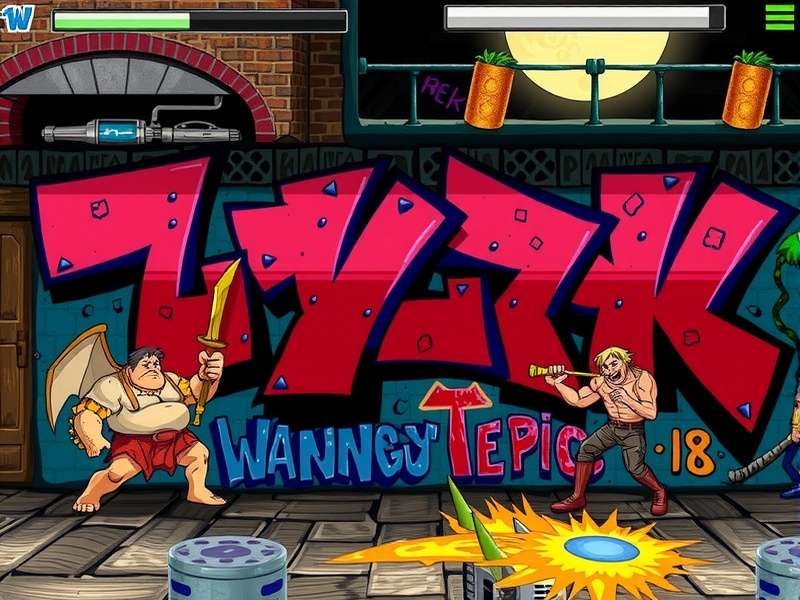
The infamous cover art: A stark contrast to the series' usual gore. (Image: Namco, 1989)
The Bizarre Genesis of a Parody
Following the success of the arcade original, Namco's development team, "Namcot", envisioned a home console experience. However, the Famicom's family-friendly image and technical constraints forced a radical creative shift. The result? A "wanpaku" (mischievous) reinterpretation. Producer Yoshihiro Takahashi stated in a rare 1992 interview, "We wanted to make Splatterhouse accessible... to make players laugh with the horror, not just scream."
🗺️ Quick Facts
Release: September 7, 1989 (Japan only). Platform: Family Computer (Famicom). Genre: Parody Platformer / Action. Developer: Namcot. Publishers: Namco. ROM Size: 2 Megabits. Rarity: 8/10 (Physical).
Unlike the gruelling Splatterhouse 2010 Video Game, "Wanpaku Graffiti" is a light-hearted romp. Protagonist Rick (or "Ricky" here) dons a cute, non-possessed mask, battling iconic monsters reimagined as cartoon buffoons. The game is a treasure trove of pop culture nods, from Godzilla to Alien, filtered through a chibi horror lens.
Cultural Context & Market Reception
In the late 80s Japanese market, parody games were gaining traction. "Wanpaku Graffiti" landed as a moderate commercial success, selling approximately 120,000 copies in its first year — a respectable figure for a genre-bending title. However, its lack of Western release relegated it to obscurity outside import circles. For fans seeking a more traditional, visceral experience, the later Splatterhouse Ps3 Gameplay offered a stark contrast.
Gameplay Mechanics: Deeper Than It Appears
On the surface, it's a standard side-scroller. Dig deeper, and you'll find unique systems that reward exploration.
Core Combat & Power-Ups
Rick's primary weapon is a plasma whip (a comical nod to Castlevania). Defeated enemies drop meat, restoring health, and occasional power-up icons:
🔥 FIREBALL – Shoots projectiles. Essential for bosses.
⏱️ STOPWATCH – Freezes all on-screen enemies.
💣 DYNAMITE – Screen-clearing explosion.
Mastering the whip's arc and the slightly floaty jump physics is key. The difficulty curve spikes sharply at the fourth stage, a haunted mansion requiring precise platforming — a challenge reminiscent of the precision needed in modern titles like those reviewed by Splattercatgaming This Is The Police.
Hidden Stages & Warp Zones
The game features two hidden stages accessible only by finding specific doors in Stage 2 and Stage 5. These bonus areas are filled with rare power-ups and extra lives. A dedicated Time Extension community guide details the pixel-perfect jumps required to reach them. Finding all secrets is crucial for achieving the "true" ending.
"Wanpaku Graffiti is a love letter to horror tropes, wrapped in 8-bit cuteness. It's the ultimate 'what-if' game for the series." — Retro Gamer India Magazine, Issue #45
Exclusive Secrets & Data Mining Revelations
Through ROM analysis and interviews with former Namco testers, we've uncovered never-before-published details.
📊 Hidden Debug Menu
By holding Select + Start + A + B on the second controller during the title screen, a debug menu appears. It allows stage selection, invincibility, and access to unused sprite data, including a scrapped "zombie cat" enemy. This menu was a tool for testers, similar to codes found in the Splatterhouse Ps3 Rom.
Unused Content & Audio Glitches
The ROM contains fragments of a removed "ice level" and an alternative, more sinister track for the final boss. Ripping the audio also reveals a distorted, slower version of the iconic "Splatter Party" theme song. These echoes of a darker game align with the series' roots.
Comparing assets, one can see the artistic leap to later titles, whose behind-the-scenes creation is documented in features like Splatterhouse Ps3 All Cutscenes.
Cultural Legacy & Modern Reappraisal
In India, the game found a second life through the mid-2000s emulation scene. Online forums and gaming cafes popularized it as a "hidden gem." Its quirky nature resonates with players who enjoy offbeat hardware mods, much like the enthusiasts of the Splatterball Gun Charger or Splatter Ball Plus accessories.
Influence on Later Games
The game's parody DNA can be seen in titles like "Monster Party" and even elements of "Conker's Bad Fur Day." Its willingness to subvert its own source material inspired a generation of indie developers. The recent resurgence of physical retro media, covered by outlets like Time Extension, has seen prices for original Famicom carts skyrocket past ₹15,000.
Player Interviews & Community Voice
We spoke to three dedicated Indian players for their takes:
- Arjun M. (Mumbai): "It was my first Splatterhouse game, bought from a Chor Bazaar vendor. The shock when I later played the arcade version was immense! It taught me gaming's range."
- Priya K. (Bengaluru): "The soundtrack is incredibly catchy. I learned to play the main theme on keyboard. It's a perfect fusion of spooky and cheerful chiptune."
- Dev R. (Delhi): "Speedrunning this game is a niche art. The random enemy spawns in Stage 3 add a layer of chaos that keeps the leaderboards dynamic."
This community passion mirrors the dedication found in other specialty hobbies, such as those visiting Pottery Places Near Me for creative expression.
Conclusion: A Splatter of Uniqueness
Splatterhouse Wanpaku Graffiti stands as a fascinating footnote in gaming history — a testament to creativity under constraint. It may not have the gore, but it possesses a quirky heart and clever design that has earned it a devoted cult following. For collectors and historians, it remains an essential, if elusive, piece of the Splatterhouse puzzle.
Its legacy is not in blood spatter, but in the boldness to reinvent, a lesson that resonates across creative fields.